Shari Creates

Books, languages, things I make and notes from everyday life.

Tag: enemies to lovers

  • Dear Enemy by Jean Webster β€” I Think Sandy May Have Been the Beginning of a Type

    Dear Enemy by Jean Webster β€” I Think Sandy May Have Been the Beginning of a Type

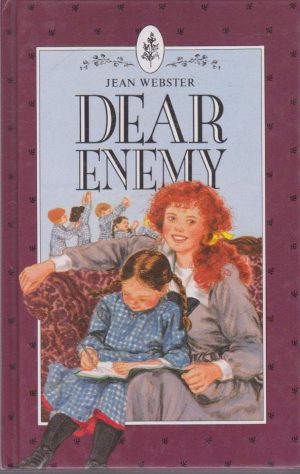
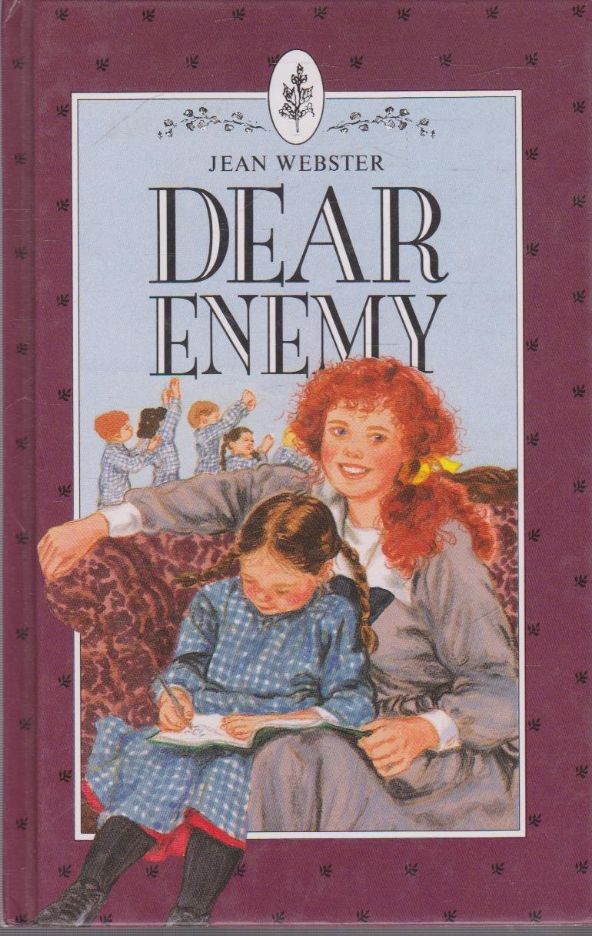
    Dear Enemy by Jean Webster book cover
    Sallie McBride takes charge of the John Grier Home and finds herself constantly at odds with the institution’s reserved Scottish doctor, Robin MacRae.

    I loved Daddy-Long-Legs, so naturally I read Dear Enemy too.

    And somehow I ended up loving this one just as much.

    It is the sequel, but instead of Judy, the letters are written mainly by her friend Sallie McBride, who has been put in charge of the John Grier Home.

    Sallie is probably one of the reasons I enjoyed it so much.

    She is funny, stubborn, quite dramatic at times, and not remotely the sort of person you would immediately imagine running an orphanage.

    Also, she has red hair.

    I have a weakness for red-haired heroines. I don’t know why. I just do. πŸ˜‚

    But the real problem here is Dr MacRae.

    Sandy.

    Cold, serious, difficult Sandy.

    I remember liking him enormously.

    At the beginning, he and Sallie do not get along at all. He thinks she is frivolous and inexperienced. She finds him infuriating.

    Which, of course, made me very happy.

    I love enemies-to-lovers.

    Not necessarily people genuinely trying to destroy each other. I mean that particular kind where two people keep clashing because they completely misunderstand one another, and then somewhere along the way the irritation starts turning into something else.

    And Sandy has that Mr Darcy sort of appeal to me.

    Not that he is Mr Darcy.

    Just that same difficult, reserved man who initially seems cold and judgmental, and then you slowly realise there is considerably more going on underneath.

    And naturally he has a tragic history as well.

    Because apparently being cold and difficult wasn’t enough. 🀣

    I won’t go into it because I don’t want to spoil the book, but learning more about him changes the way you see him.

    That worked very well on me.

    I also loved that Dear Enemy kept the letter format from Daddy-Long-Legs. There is something about reading a character’s letters that makes everything feel more intimate.

    You see Sallie getting annoyed with Sandy.

    Then mentioning Sandy again.

    And again.

    And being very annoyed with him.

    Very, very annoyed.

    At some point you start thinking, Sallie, you are writing about this man quite a lot for somebody you supposedly cannot stand.

    πŸ˜‚

    That is exactly the sort of romance I enjoy.

    The book isn’t only about the romance, though. A lot of it is Sallie trying to improve the orphanage and slowly becoming attached to the children and the work.

    I liked watching her grow into the job.

    She doesn’t suddenly become some perfect, self-sacrificing heroine. She remains Sallie. She complains, gets frustrated and has opinions about absolutely everything.

    But she cares.

    And gradually you realise how seriously she has begun taking the responsibility she was originally quite reluctant to accept.

    Maybe that is part of what I love about Jean Webster’s books.

    There is romance, yes, but the heroine also gets a life.

    Judy gets education and independence.

    Sallie finds work that actually means something to her.

    And then there is the romance on top of that.

    In Sallie’s case, with a grumpy Scottish doctor.

    A tragic one.

    Who she initially dislikes.

    Honestly, what more did I want?

    5/5
  • Divine Rivals by Rebecca Ross β€” It Had Everything I Usually Like

    Divine Rivals by Rebecca Ross β€” It Had Everything I Usually Like

    Spoiler warning: This review discusses major plot points and the ending.

    I picked up Divine Rivals for several very predictable reasons.

    First: enemies to lovers.

    Second: letters. Not just ordinary letters β€” anonymous ones, where Iris doesn’t realise the person answering her is someone she already knows. Give me even a hint of that You’ve Got Mail situation and I’m interested.

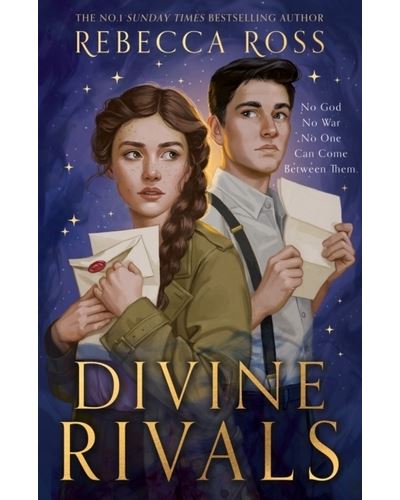
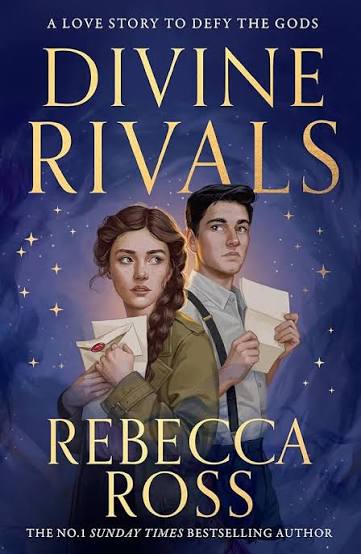
    Then there was the cover. Yes, I am one of those people who occasionally judges a book by its cover. I know. I know. I just can’t help it, and this one had exactly the pull that makes me pick a book up before I know anything about the story.

    So going in, this really should have been my kind of book.

    Iris Winnow and Roman Kitt are rival journalists competing for the same position. They don’t particularly like each other β€” while, at the same time, Iris has been writing letters that somehow find their way to a mysterious correspondent. She doesn’t know who’s answering her. Roman does.

    Naturally, I loved that setup. There’s something about two people getting to know each other through writing, while one of them doesn’t realise who’s on the other end, that works ridiculously well on me. Apparently Daddy-Long-Legs and You’ve Got Mail have permanently wired my brain this way.

    What worked less well was the enemies-to-lovers part. Mostly because there wasn’t enough enemy. πŸ˜‚ I expected more friction β€” more of that I cannot stand this person, so why am I thinking about them all the time? stage. Instead, Iris and Roman felt more like competitive colleagues, and the hostility disappeared fairly quickly. Not necessarily bad β€” but when “enemies to lovers” is one of the reasons I picked up the book, I wanted it to make me wait a little longer before getting to the lovers.

    The world, though, I really liked. Rebecca Ross mixes old-fashioned technology and magic β€” newspapers, typewriters, trains, letters travelling magically between people β€” in a way that reminded me a little of Howl’s Moving Castle. Not because the stories are similar, but because of that same feeling: machinery and magic existing comfortably side by side, and nobody finding it strange.

    What interested me much less was the mythology behind the war β€” gods waking up, gods and demigods fighting, humans dragged into it. For whatever reason, none of that grabbed me. I cared about Iris and Roman, the letters, the newspaper rivalry, the atmosphere β€” not which god was fighting whom.

    And yet the war got to me anyway. Not because I suddenly cared about the gods, but because it became personal. Iris and Roman finally get together β€” they even get married β€” and almost immediately the war tears them apart again. There’s something particularly dreadful about stories set during war: even when nothing terrible is happening at that exact moment, you know it can. Someone leaves. Someone waits. Someone is trying to get back to somebody they love, and hanging over all of it is the possibility that they simply won’t. So when Iris was dragged away from Roman and forced to leave him behind, it genuinely tugged at me. I stopped thinking about whether I cared about the mythology and just wanted them to find each other again.

    Divine Rivals didn’t give me the enemies-to-lovers story I expected, and I still wasn’t interested in the gods. But I loved the anonymous letters, I liked Iris and Roman, I liked the slightly steampunk, slightly magical world β€” and by the end, I cared enough about the two of them for their separation to actually hurt.

    The book deserves a 4/5.