Shari Creates

Books, languages, things I make and notes from everyday life.

Genre: Romance

  • Dear Enemy by Jean Webster β€” I Think Sandy May Have Been the Beginning of a Type

    Dear Enemy by Jean Webster β€” I Think Sandy May Have Been the Beginning of a Type

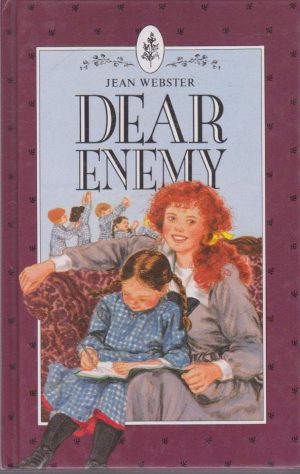
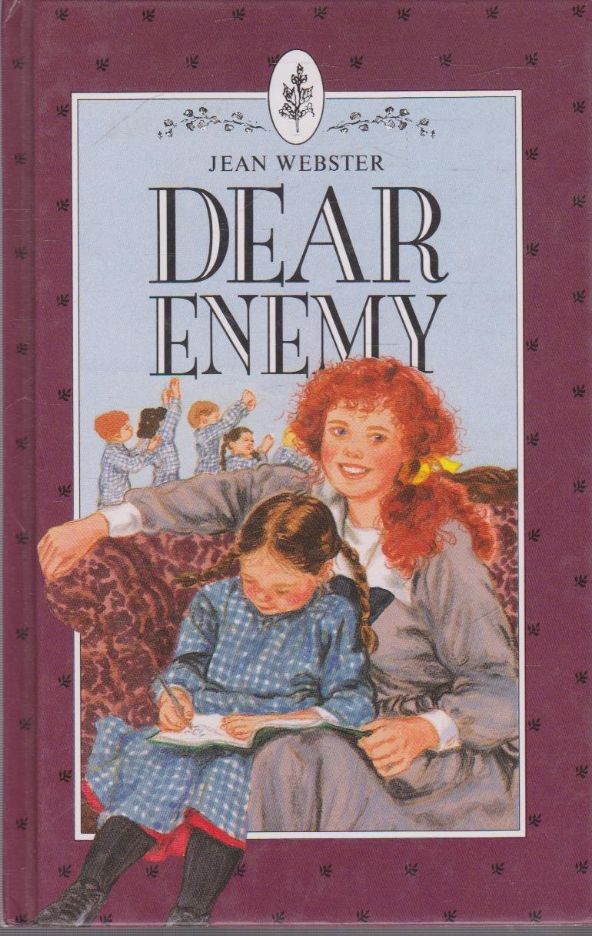
    Dear Enemy by Jean Webster book cover
    Sallie McBride takes charge of the John Grier Home and finds herself constantly at odds with the institution’s reserved Scottish doctor, Robin MacRae.

    I loved Daddy-Long-Legs, so naturally I read Dear Enemy too.

    And somehow I ended up loving this one just as much.

    It is the sequel, but instead of Judy, the letters are written mainly by her friend Sallie McBride, who has been put in charge of the John Grier Home.

    Sallie is probably one of the reasons I enjoyed it so much.

    She is funny, stubborn, quite dramatic at times, and not remotely the sort of person you would immediately imagine running an orphanage.

    Also, she has red hair.

    I have a weakness for red-haired heroines. I don’t know why. I just do. πŸ˜‚

    But the real problem here is Dr MacRae.

    Sandy.

    Cold, serious, difficult Sandy.

    I remember liking him enormously.

    At the beginning, he and Sallie do not get along at all. He thinks she is frivolous and inexperienced. She finds him infuriating.

    Which, of course, made me very happy.

    I love enemies-to-lovers.

    Not necessarily people genuinely trying to destroy each other. I mean that particular kind where two people keep clashing because they completely misunderstand one another, and then somewhere along the way the irritation starts turning into something else.

    And Sandy has that Mr Darcy sort of appeal to me.

    Not that he is Mr Darcy.

    Just that same difficult, reserved man who initially seems cold and judgmental, and then you slowly realise there is considerably more going on underneath.

    And naturally he has a tragic history as well.

    Because apparently being cold and difficult wasn’t enough. 🀣

    I won’t go into it because I don’t want to spoil the book, but learning more about him changes the way you see him.

    That worked very well on me.

    I also loved that Dear Enemy kept the letter format from Daddy-Long-Legs. There is something about reading a character’s letters that makes everything feel more intimate.

    You see Sallie getting annoyed with Sandy.

    Then mentioning Sandy again.

    And again.

    And being very annoyed with him.

    Very, very annoyed.

    At some point you start thinking, Sallie, you are writing about this man quite a lot for somebody you supposedly cannot stand.

    πŸ˜‚

    That is exactly the sort of romance I enjoy.

    The book isn’t only about the romance, though. A lot of it is Sallie trying to improve the orphanage and slowly becoming attached to the children and the work.

    I liked watching her grow into the job.

    She doesn’t suddenly become some perfect, self-sacrificing heroine. She remains Sallie. She complains, gets frustrated and has opinions about absolutely everything.

    But she cares.

    And gradually you realise how seriously she has begun taking the responsibility she was originally quite reluctant to accept.

    Maybe that is part of what I love about Jean Webster’s books.

    There is romance, yes, but the heroine also gets a life.

    Judy gets education and independence.

    Sallie finds work that actually means something to her.

    And then there is the romance on top of that.

    In Sallie’s case, with a grumpy Scottish doctor.

    A tragic one.

    Who she initially dislikes.

    Honestly, what more did I want?

    5/5

  • Daddy-Long-Legs by Jean Webster β€” An Old Favourite That Still Feels Like Hope

    Daddy-Long-Legs by Jean Webster β€” An Old Favourite That Still Feels Like Hope

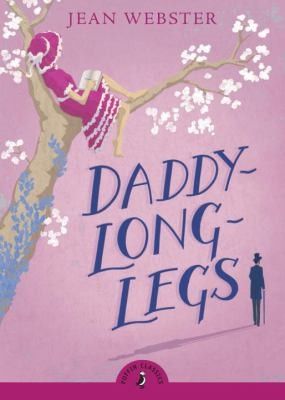
    Daddy-Long-Legs by Jean Webster book cover
    Orphaned Jerusha Abbott is given the chance to attend college by an anonymous benefactor, on the condition that she writes him regular letters about her life and studies.

    Reread: February 2026

    Some books become favourites because you discover them at exactly the right time.

    I think Daddy-Long-Legs became one of mine before I had even read it.

    When I was a child, I knew Judy Abbott through the Japanese anime My Daddy Long Legs. I remember coming home from school wanting to catch it on television. I loved that world β€” Judy going away to school, making friends, discovering a completely different life and writing all those letters to the mysterious man paying for her education.

    Years later, when I was old enough to properly explore the internet, I discovered that the original Jean Webster novel was available free through Project Gutenberg.

    Naturally, I read it.

    And loved it.

    So this reread came with a ridiculous amount of nostalgia attached.

    Daddy-Long-Legs is told mostly through Judy’s letters to the anonymous benefactor who sends her to college after she grows up in an orphanage. She has never properly met him. She knows almost nothing about him. She has only caught a glimpse of his long shadow, which is how he ends up becoming Daddy-Long-Legs.

    The letter format is probably one of the things I love most about the book.

    You don’t simply get told that Judy changes. You watch it happen through the way she writes.

    She arrives at college having spent her entire life in an institution, suddenly surrounded by girls who grew up with families, books, travel, beautiful homes and all sorts of ordinary experiences she has never had. Then, letter by letter, her world gets bigger.

    She learns.

    She reads.

    She makes friends.

    She develops opinions.

    She gets annoyed.

    She becomes ambitious.

    And she becomes increasingly herself.

    There is something enormously comforting about that.

    I have always loved the period as well. The college life, the clothes, the letters, the expectations placed on young women, even the small descriptions of everyday life give the book a cosy atmosphere that works particularly well for me.

    And then, of course, there is the romance.

    Let’s not pretend the appeal is entirely about education and personal development. 🀣

    There is definitely a bit of Cinderella wish fulfilment here.

    An orphan girl is given an extraordinary opportunity. She gets an education. She discovers that she can write. Her entire life opens up before her.

    And then she falls in love with a rich man.

    I mean.

    I’m not complaining.

    I also realised while rereading it that part of the romantic appeal is very similar to what I love about You’ve Got Mail.

    There is something ridiculously satisfying about two people becoming important to each other while one of them doesn’t fully understand who the other person really is.

    That gap in knowledge creates a particular kind of tension that I apparently enjoy very much.

    And no, I’m not explaining that any further.

    Some things are better discovered while reading. πŸ˜„

    What makes the story work for me, though, is Judy herself. She isn’t waiting around hoping somebody wealthy will rescue her. By the time the romance reaches its conclusion, she has already spent the book becoming independent, educated and determined to make something of herself.

    The romantic ending is the cherry on top.

    Perhaps that is why Daddy-Long-Legs has always felt like such a hopeful book to me.

    It is about what can happen when somebody who has been given very little is finally given an opportunity.

    A door opens.

    Then another one.

    And suddenly a life that once seemed completely predetermined becomes full of possibilities.

    Reading it again still gave me that same fuzzy, warm feeling I associate with the story from childhood.

    Part of that is certainly nostalgia. I can’t separate Jean Webster’s Judy completely from the Judy who used to appear on my television after school.

    But I’m not sure I want to.

    Some stories become part of your life that way.

    And after all these years, Daddy-Long-Legs is still one of mine.

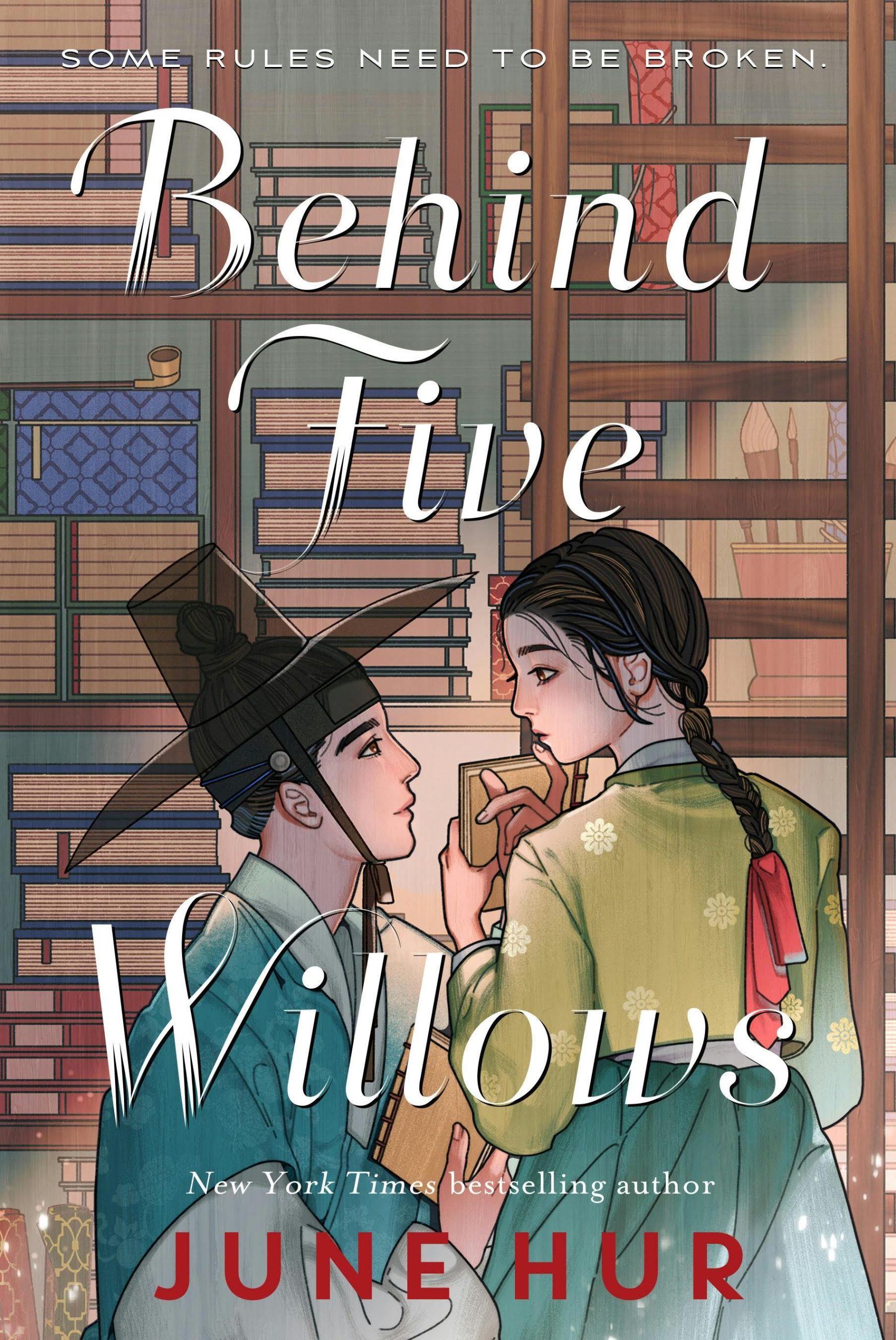
  • Behind Five Willows by June Hur β€” Book Review

    Behind Five Willows by June Hur β€” Book Review

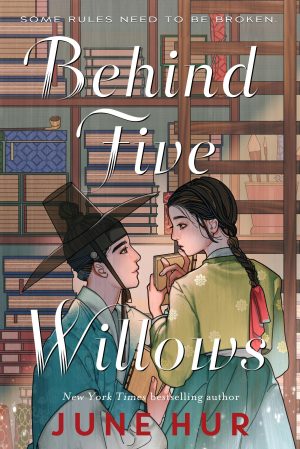
    Behind Five Willows
    In Joseon-era Korea, an illegal book transcriber and a secret novelist exchange letters without knowing they dislike each other in real life.

    My rating: 5 out of 5 stars

    Behind Five Willows is a historical young-adult romance set in Korea during the Joseon era. At its centre are Haewon, an illegal book transcriber, and Seojun, a nobleman who secretly writes fiction at a time when the government is banning books. Their lives become entangled when Haewon’s older sister falls in love with Seojun’s best friend, forcing Haewon and Seojun to accompany the couple during their courtship.

    Their first impressions of each other are not favourable. Haewon finds Seojun arrogant and irritating, while he is equally quick to judge her. What neither of them initially realises is that they already know another side of each other through the letters they have exchanged anonymously.

    That part immediately reminded me of You’ve Got Mail, one of my favourite films. In the film, the two main characters enjoy writing to each other without knowing that they are rivalsβ€”and that they dislike each otherβ€”in real life. I have always liked that contrast: two people can understand each other intimately through their words while completely misreading one another face to face.

    Of course, You’ve Got Mail is itself a variation on a much older romantic structure, and Behind Five Willows openly draws from Pride and Prejudice, another of my all-time favourites. Haewon and Seojun have their own version of Elizabeth Bennet and Mr Darcy’s problem: both are intelligent and observant, but neither is as accurate a judge of the other as they believe. Their relationship changes gradually as they see beyond social position, pride and their original assumptions.

    The Joseon setting prevents the novel from feeling like a simple retelling. Reading and writing are not merely shared interests for Haewon and Seojun. Because of government censorship, books can place their livelihoods and reputations at risk. Haewon’s work as a transcriber also gives us a glimpse of how stories were copied and circulated when access to them was restricted. The historical setting therefore shapes both the romance and the choices available to the characters.

    I also enjoyed the characters beyond the central couple. Their family obligations and differences in social status are not decorative complications; they influence what each person is permitted to do and how easily a mistake can affect an entire family. At the same time, the book does not become weighed down by its historical and political themes.

    One of its strongest qualities is that it is an easy read. The story moves smoothly, the romance develops naturally, and the historical details are incorporated without making the book feel like a lesson. It has enough substance to make the setting meaningful, but it remains warm and accessible.

    For me, Behind Five Willows combined several things I already love: the misunderstandings of Pride and Prejudice, the anonymous correspondence of You’ve Got Mail, and a historical setting that was much less familiar to me. The result felt recognisable without being repetitive.

    I gave it five stars because it was simply a pleasure to read.

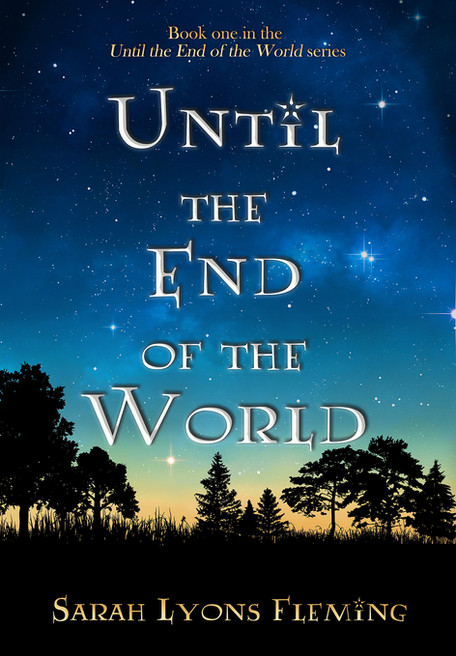
  • Until the End of the World by Sarah Lyons Fleming β€” Book Review

    Until the End of the World by Sarah Lyons Fleming β€” Book Review

    Until the End of the World by Sarah Lyons Fleming book cover
    When a zombie outbreak reaches Brooklyn, Cassie Forrest and her friends flee for the relative safety of her late survivalist parents’ cabin. Escaping the city is only the beginning as the group faces the infected, dangerous survivors and unresolved personal relationships.

    My rating: β˜…β˜…β˜…β˜†β˜†

    There is something especially unsettling about a zombie story that begins in a familiar, ordinary place. In Until the End of the World, Cassie and her friends must escape Brooklyn after an outbreak turns everyday life into a fight for survival. With the dead walking and society rapidly collapsing, it has all the ingredients for a tense apocalypse story.

    I enjoy character-driven survival stories. The relationships between survivors matter because they give us a reason to care whether anyone makes it through. Reminiscing about the old world can also make the losses feel real. Here, though, those elements occupied so much of the story that they began to weaken the danger surrounding the characters.

    There were long stretches devoted to memories, romantic feelings and unresolved relationships when I wanted more urgency. The characters are supposedly living through the end of civilisation, with dead people walking around and trying to take bites out of the living, yet they frequently seem more concerned with romantic navel-gazing.

    Hellooo? Zombie apocalypse?

    The final straw for me was Cassie becoming involved in pairing her recent ex with her best friend’s younger sister. Perhaps Cassie had never truly loved him, and some readers may see nothing uncomfortable about the situation. I did. It felt strange and far too entangled for meβ€”especially when the characters had rather more immediate problems involving the collapse of civilisation and the walking dead.

    The survival preparations and journey away from Brooklyn gave the story a promising foundation. Cassie’s family background also makes her more prepared than the average person suddenly thrown into an outbreak. Those details helped keep me interested, and the book was readable enough that I never disliked it completely.

    My frustration came from the contrast between the scale of the catastrophe and the emotional tone. The stakes should have felt enormous, but the repeated focus on relationship drama made them seem strangely distant. I wanted the zombies and the collapse of society to drive the story, with the personal relationships developing naturally under that pressureβ€”not competing with it for attention.

    I gave Until the End of the World three stars. The survival premise had potential, but the emphasis on romantic discussion and complicated personal relationships was not what I wanted from the story. Although this is the first book in a series, I could not bring myself to continue beyond it.

    Readers who enjoy relationship-focused apocalypse stories may connect with it much more than I did. Personally, I needed more survival horror, more urgency and considerably less time spent contemplating who still has feelings for whom while the dead are walking.

    Recommended for: Readers who enjoy character-focused post-apocalyptic fiction, found-family dynamics and romance alongside their zombies.

    Perhaps not for you if: You want a tense, horror-heavy zombie story in which survival takes precedence over relationship drama.

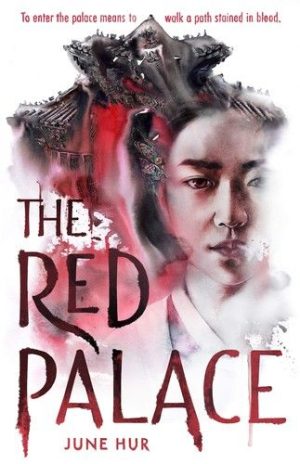
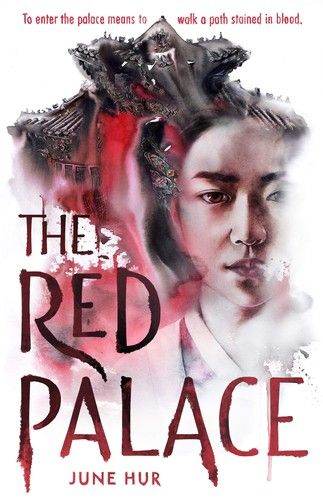
  • The Red Palace by June Hur – Murder, Palace Intrigue and a Romance I Actually Liked

    The Red Palace by June Hur – Murder, Palace Intrigue and a Romance I Actually Liked

    After reading A Crane Among Wolves, I wanted more June Hur.

    One of the reasons I started reading her books in the first place was that I wanted historical fiction and romance outside the usual Regency and Victorian settings. I have read enough about drawing rooms, dukes and English society for a while. Give me somewhere else.

    Joseon Korea works particularly well for me because I have watched so many Korean historical dramas that I already have the whole visual world sitting inside my head.

    And The Red Palace gave me plenty to work with.

    Hyeon is a young palace nurse whose mentor becomes a suspect after four women are murdered in a single night. She begins investigating with Eojin, a young police inspector, and before long their investigation starts getting dangerously close to the royal family.

    The palace-nurse setting immediately gave me Dae Jang Geum vibes.

    The stories aren’t the same, obviously, but there was something very familiar about following a woman working within the palace, surrounded by court officials, strict hierarchies, medicine, rules and powerful people who could ruin your life without much effort.

    I could see everything.

    The palace corridors. The courtyards. The clothes. The officials. The nurses moving around the palace.

    At times it felt less like reading a book and more like watching another Joseon-era drama in my head.

    And then there was Eojin.

    I really liked Eojin.

    He and Hyeon work together on the investigation, so they have perfectly legitimate reasons to keep meeting, but gradually their relationship becomes something more. I liked the quiet courtship of it – those little meetings and gestures where it becomes increasingly obvious that this isn’t purely about solving murders anymore.

    The romance doesn’t overwhelm the mystery either, which is probably why it worked so well for me. I got the investigation and palace intrigue I wanted, but I also got enough romantic development to become invested in Hyeon and Eojin as a couple.

    And importantly, it actually goes somewhere.

    They choose each other, and the ending gave me the romantic payoff I wanted.

    Thank you. πŸ˜‚

    I think that may be why The Red Palace left me more satisfied than A Crane Among Wolves. I enjoyed that book too, but this one felt more complete to me.

    The murder mystery kept things moving, the Joseon palace setting was exactly my kind of thing, Hyeon was easy to root for, and Eojin was the sort of romantic hero I actually enjoy.

    Historical murder mystery.

    Joseon palace intrigue.

    A competent inspector.

    Slow-burn courtship.

    And an ending that didn’t leave me asking, “That’s it?”

    Apparently that is how you get five stars from me.

    5/5

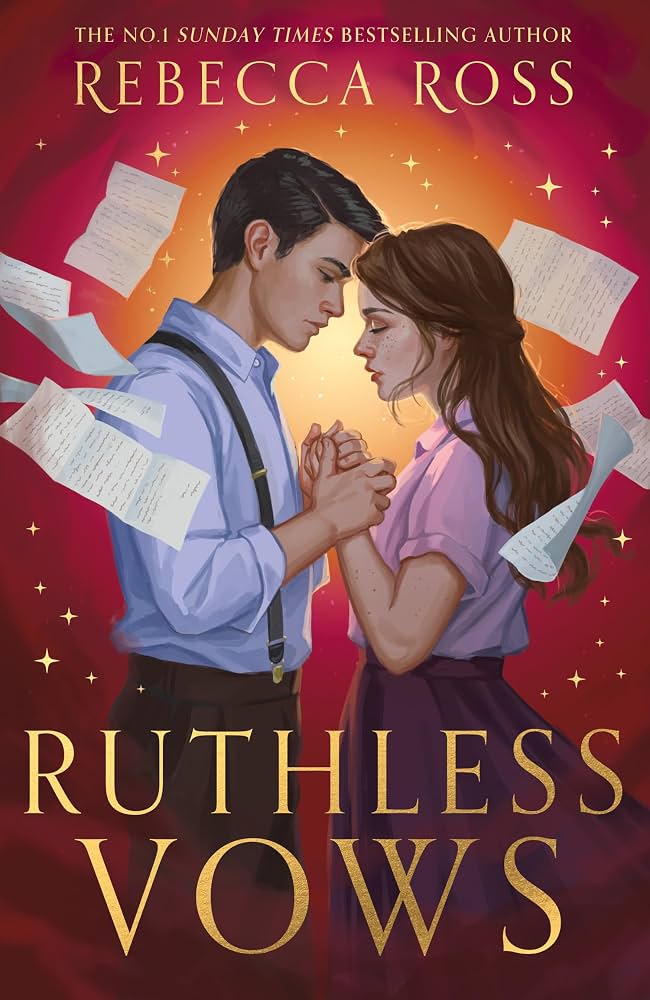
  • Ruthless Vows by Rebecca Ross β€” A Happy Ending, But Not Without a Cost

    Ruthless Vows by Rebecca Ross β€” A Happy Ending, But Not Without a Cost

    Spoiler warning: This review discusses major plot points, character deaths and the ending.

    I went into Ruthless Vows almost immediately after Divine Rivals, so by this point I had accepted that yes, this was a world where ancient gods were at war and everybody else had been unfortunate enough to get caught in the middle of it.

    And strangely, once I stopped resisting that part of the story, I enjoyed it much more.

    The gods themselves still weren’t really what I was there for. I was there for Iris and Roman.

    Especially after the way Divine Rivals ended.

    They had finally found each other, fallen in love and even married β€” only for the war to separate them almost immediately. So Ruthless Vows begins with exactly the sort of situation designed to make me miserable: Iris doesn’t know what has happened to Roman, Roman is alive but no longer quite himself, and the two of them have to somehow find their way back to each other.

    Naturally, I was invested.

    What I liked about this book was that Rebecca Ross didn’t save every bit of happiness for the last five pages.

    Iris and Roman had already chosen each other. They were already married. Their relationship wasn’t being dangled in front of me as some reward I might get if I survived another four hundred pages.

    Instead, the question became whether they would actually get the chance to have the life they had chosen.

    That worked much better for me.

    And when they finally found their way back to each other, it had that bittersweet feeling I tend to like in stories about war. You want the people you care about to survive. You want them to get home. You want the happy ending.

    But if everyone walks away perfectly fine, then what was the point of putting them through a war in the first place?

    Rebecca Ross didn’t do that.

    Iris had already lost her mother in the first book. In this one, she loses Forest.

    And Sarah.

    That hurt.

    Especially because Sarah and Forest had found something with each other before they died. There was something particularly cruel about that β€” two people finding a little bit of happiness in the middle of all this destruction, only for the war to take them anyway.

    But I also think the story needed losses like that.

    I love happy endings. I really do.

    I am not asking authors to destroy everybody I care about just to prove that their story is serious.

    But I also don’t want a war story where every important character miraculously survives because the author doesn’t want to upset anyone.

    Then it stops feeling like war.

    Someone doesn’t come home.

    Someone who was loved is missing from the ending.

    Someone else has to keep living with that.

    That sadness sitting beside Iris and Roman’s happiness is probably one of the reasons the ending worked so well for me.

    They get each other back.

    They survive.

    They have a future.

    But it costs them something.

    By the end, I had also become much more comfortable with the universe itself. The mixture of old-fashioned technology, newspapers, typewriters and magic that I liked in Divine Rivals was still there, and now that I had accepted the whole gods-at-war business, I could simply enjoy the story instead of wondering why I wasn’t more interested in the mythology.

    Maybe I just needed one entire book to get used to it. πŸ˜‚

    Whatever happened, Ruthless Vows worked for me in a way Divine Rivals didn’t quite manage.

    The romance had more weight because Iris and Roman had something real to lose.

    The war finally felt personal rather than just mythological.

    And the ending gave me what I wanted without making everything conveniently perfect.

    Happy.

    Sad.

    A little unfair.

    But hopeful.

    That’s probably exactly how a story like this should end.

    5/5

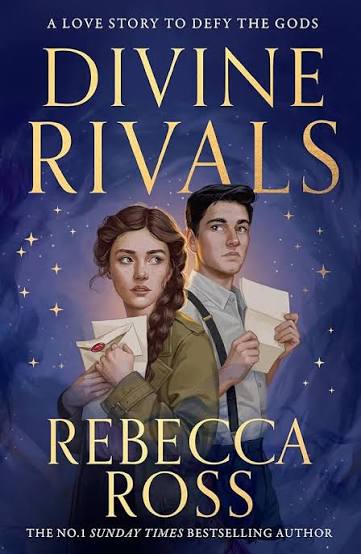
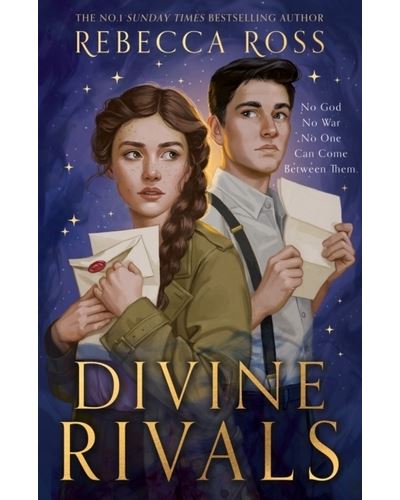
  • Divine Rivals by Rebecca Ross β€” It Had Everything I Usually Like

    Divine Rivals by Rebecca Ross β€” It Had Everything I Usually Like

    Spoiler warning: This review discusses major plot points and the ending.

    I picked up Divine Rivals for several very predictable reasons.

    First: enemies to lovers.

    Second: letters. Not just ordinary letters β€” anonymous ones, where Iris doesn’t realise the person answering her is someone she already knows. Give me even a hint of that You’ve Got Mail situation and I’m interested.

    Then there was the cover. Yes, I am one of those people who occasionally judges a book by its cover. I know. I know. I just can’t help it, and this one had exactly the pull that makes me pick a book up before I know anything about the story.

    So going in, this really should have been my kind of book.

    Iris Winnow and Roman Kitt are rival journalists competing for the same position. They don’t particularly like each other β€” while, at the same time, Iris has been writing letters that somehow find their way to a mysterious correspondent. She doesn’t know who’s answering her. Roman does.

    Naturally, I loved that setup. There’s something about two people getting to know each other through writing, while one of them doesn’t realise who’s on the other end, that works ridiculously well on me. Apparently Daddy-Long-Legs and You’ve Got Mail have permanently wired my brain this way.

    What worked less well was the enemies-to-lovers part. Mostly because there wasn’t enough enemy. πŸ˜‚ I expected more friction β€” more of that I cannot stand this person, so why am I thinking about them all the time? stage. Instead, Iris and Roman felt more like competitive colleagues, and the hostility disappeared fairly quickly. Not necessarily bad β€” but when “enemies to lovers” is one of the reasons I picked up the book, I wanted it to make me wait a little longer before getting to the lovers.

    The world, though, I really liked. Rebecca Ross mixes old-fashioned technology and magic β€” newspapers, typewriters, trains, letters travelling magically between people β€” in a way that reminded me a little of Howl’s Moving Castle. Not because the stories are similar, but because of that same feeling: machinery and magic existing comfortably side by side, and nobody finding it strange.

    What interested me much less was the mythology behind the war β€” gods waking up, gods and demigods fighting, humans dragged into it. For whatever reason, none of that grabbed me. I cared about Iris and Roman, the letters, the newspaper rivalry, the atmosphere β€” not which god was fighting whom.

    And yet the war got to me anyway. Not because I suddenly cared about the gods, but because it became personal. Iris and Roman finally get together β€” they even get married β€” and almost immediately the war tears them apart again. There’s something particularly dreadful about stories set during war: even when nothing terrible is happening at that exact moment, you know it can. Someone leaves. Someone waits. Someone is trying to get back to somebody they love, and hanging over all of it is the possibility that they simply won’t. So when Iris was dragged away from Roman and forced to leave him behind, it genuinely tugged at me. I stopped thinking about whether I cared about the mythology and just wanted them to find each other again.

    Divine Rivals didn’t give me the enemies-to-lovers story I expected, and I still wasn’t interested in the gods. But I loved the anonymous letters, I liked Iris and Roman, I liked the slightly steampunk, slightly magical world β€” and by the end, I cared enough about the two of them for their separation to actually hurt.

    The book deserves a 4/5.

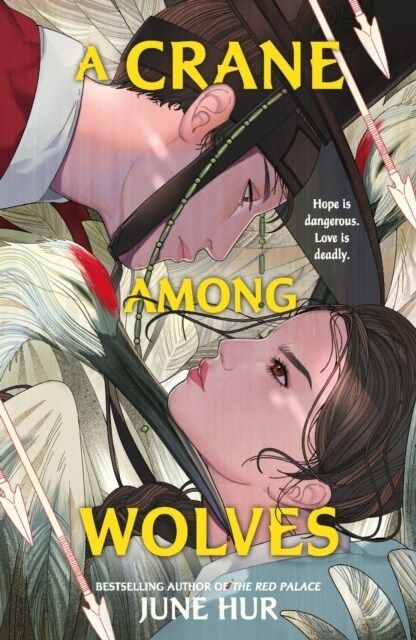
  • A Crane Among Wolves by June Hur – Like Watching a Joseon Drama in My Head

    A Crane Among Wolves by June Hur – Like Watching a Joseon Drama in My Head

    I picked up A Crane Among Wolves because I had reached the point where I wanted a historical romance that wasn’t set in Regency or Victorian England.

    I like those settings well enough, but there are only so many drawing rooms, dukes and marriage markets one can take before wanting to go somewhere else.

    I wanted something rooted in Asian history, written by an Asian author, and Korea was an easy choice because by then I had watched far too many Joseon-era Korean dramas.

    That turned out to be one of the best parts of reading this book.

    I didn’t have to work very hard to imagine the world at all.

    The palace, the clothing, the social hierarchy, the officials, the tension around the royal family – my brain already had an entire K-drama production department available. I could practically see the hanbok, hear the dramatic music and picture somebody staring meaningfully across a palace courtyard.

    Reading it sometimes felt less like reading a novel and more like watching a historical Korean drama playing inside my head.

    And considering the story involves a tyrannical king, political intrigue, danger, romance and an attempt to change who sits on the throne, it wasn’t exactly lacking in K-drama material.

    I also liked that the romance wasn’t separated from the historical setting. Iseul and Daehyun’s relationship develops while much bigger and considerably more dangerous things are happening around them, so the book never became simply a romance dressed up in historical clothing.

    I gave A Crane Among Wolves four stars, and I think what kept it from five was the pacing.

    There were parts where the story started to drag a little for me. Not enough to make me lose interest, but enough that I could feel the momentum dip before things picked up again.

    That said, I still enjoyed the book overall, especially the setting and the way it played so vividly in my head like a Joseon-era Korean drama.

    The ending was satisfying enough that I don’t remember finishing it annoyed – which is probably why, looking back now, the pacing issue is the part that stands out more than anything else.

    It also sent me looking for more June Hur.

    And considering I later gave The Red Palace and Behind Five Willows five stars, that worked out rather well.

    4/5

  • Frostblood – Elly Blake

    Frostblood – Elly Blake

    Frostblood
    Categories: ,
    Author:
    Genres: ,
    Series:
    Seventeen-year-old Ruby is a Fireblood who has concealed her powers of heat and flame from the cruel Frostblood ruling class her entire life. But when her mother is killed trying to protect her, and rebel Frostbloods demand her help to overthrow their bloodthirsty king, she agrees to come out of hiding, desperate to have her revenge.

    When I first got this book, I wasn’t really sure what I would be reading. I chose it based on the title instead of reading the synopsis. From the title, I was expecting it to be something like the “Game of thrones”. However, after reading the book till the end, it isn’t exactly that but it was a bit more of an Avatar’ish sort of fantasy story. With people gifted to wield an element of nature. In this first book of the series, there are mainly 2 tribes, which is the Fireblood, those who can wield the power of fire and the Frostblood, those who can conjure ice and frost.

    Other than an interesting story line, in order to enjoy a book I have to like the characters. Ruby, the Fireblood didn’t make me feel like rolling my eyeballs – no foot stomping, or demanding this and that. Instead of simply born to be good at something, just like the rest of us mere mortals, she had to really work hard to learn to bring up her powers and and control it. She had her moments when she wanted to just give up but she went back to it. I suppose, she is relatable.

    Her love interest, a Frostblood called Arcus is not your typical dashingly handsome hero. His face was badly burnt and scarred, a constant reminder for him as a survivor of aΒ  Fireblood attack. So he didn’t have and entirely beautiful face,Β  but his rare to smile, brooding, fiercely loyal, hard working sort of personality made him ‘handsome’ and likable. He disliked her at the beginning and so did she because of their differences – obviously since one is a Fireblood and one is a Frostblood. But they had to fight a common enemy, therefore they had to put animosity aside. For Arcus it was to save his people and for her it was for revenge.

    Now, though enjoyed the book as it was written well, but I have to say that the storyline is okay-ish as I felt it was too predictable.Β  If you read the book, most probably you will know what I mean. Will I be reading the sequel? I am not sure. The first book was good enough on it’s own but it didn’t leave me wanting to know more about what will happen to the shadow for example or whether Arcus will ever marry Ruby etc.

    So I will skip the sequel for now and concentrate on other books or series first.


  • A Court of Thorn and Roses – Sarah J. Mass.

    A Court of Thorn and Roses – Sarah J. Mass.

    A Court of Thorns and Roses
    Feyre’s survival rests upon her ability to hunt and kill – the forest where she lives is a cold, bleak place in the long winter months. So when she spots a deer in the forest being pursued by a wolf, she cannot resist fighting it for the flesh. But to do so, she must kill the predator and killing something so precious comes at a price …

    I downloaded the book months back and forgot about it. In my effort to catch up with my book reading challenge on Goodreads, I sieved through my unread books and found it. I didn’t even remember why I downloaded it. Perhaps it was a recommendation in Goodreads. In any case, I decided to finish reading it over the weekend. Finished it I did and these are my thoughts on it.

    It is a fantasy novel with a girl called Feyre (Fayruh) as the protagonist. She came from a family that once lived in the lap of luxury but fell from grace, and the onus of keeping her family alive laid on her shoulders from a very young age. She had made a vow to her mother on her deathbed to care for the family, so she worked her fingers to the bone and hunt to provide for her family. It was during one of her hunting trips that she met an enchanted wolf and killed it, only to find out that it was in fact one of the High Faes of Prythian. For this mistake, she was taken away from her family, by the High Lord Fae, Tamlin, to live with him as a replacement for the one she murdered.

    Since I didn’t read the synopsis of this book nor reviews before I read this book I didn’t know what to expect and after reading a few chapters of this book I realized that it reminded me of “Beauty and the Beast”. Surely enough, Tamlin, who had taken Feyre as a prisoner, was under a curse. Not only his powers were curbed and controlled by an evil Fairy but he and along with those belonging in his domain were tricked andΒ  doomed to wear half face masks for as long as the curse had a hold on them.

    I have to admit that the first few chapters of the book was a bit too slow for my taste that I almost gave up. I am sure it was just a build up so that what ever happens at the end would all make sense. The story was told rather well that after the initial boring pages and when things started to pick up pace, it was tough to put the book down.Β 

    Now, I enjoyed the story enough to read the book till the end in just a couple of days. But I can’t help to have mixed feelings about it as I am not sure I like the heroine of this book, Feyre.Β  I do like my “tsundere’ or strong female characters. However, Feyre annoys me. She was taken as a prisoner by Tamlin in exchange for killing one of his own men. She should be punished for this yet she was treated with mercy and kindness and her family was taken cared well back in the human domain. For someone expecting punishment she is rather self entitled and proud.Β  Perhaps also, I felt that she got it easy to just fall in love with an attractive guy with just a mask on instead of a real ugly beast. πŸ™‚ With that sort of character, I doubt she would fall for an ugly beast. In any case, her saving grace is her loyalty to people she cared for and the trials that she had to go through had redeemed her in my eyes somewhat. Though, her pride made it more difficult to make myself to like her the way I liked Belle from Beauty and the Beast.Β 

    So, I would say if you like stories where the girl needs to break the curse on a mysterious and sexy prince charming, this is for you. Will I be reading the sequel? Perhaps yes, when I can forget how I disliked the main character. πŸ™‚