Shari Creates

Books, languages, things I make and notes from everyday life.

Author: June Hur

  • Behind Five Willows by June Hur — Book Review

    Behind Five Willows by June Hur — Book Review

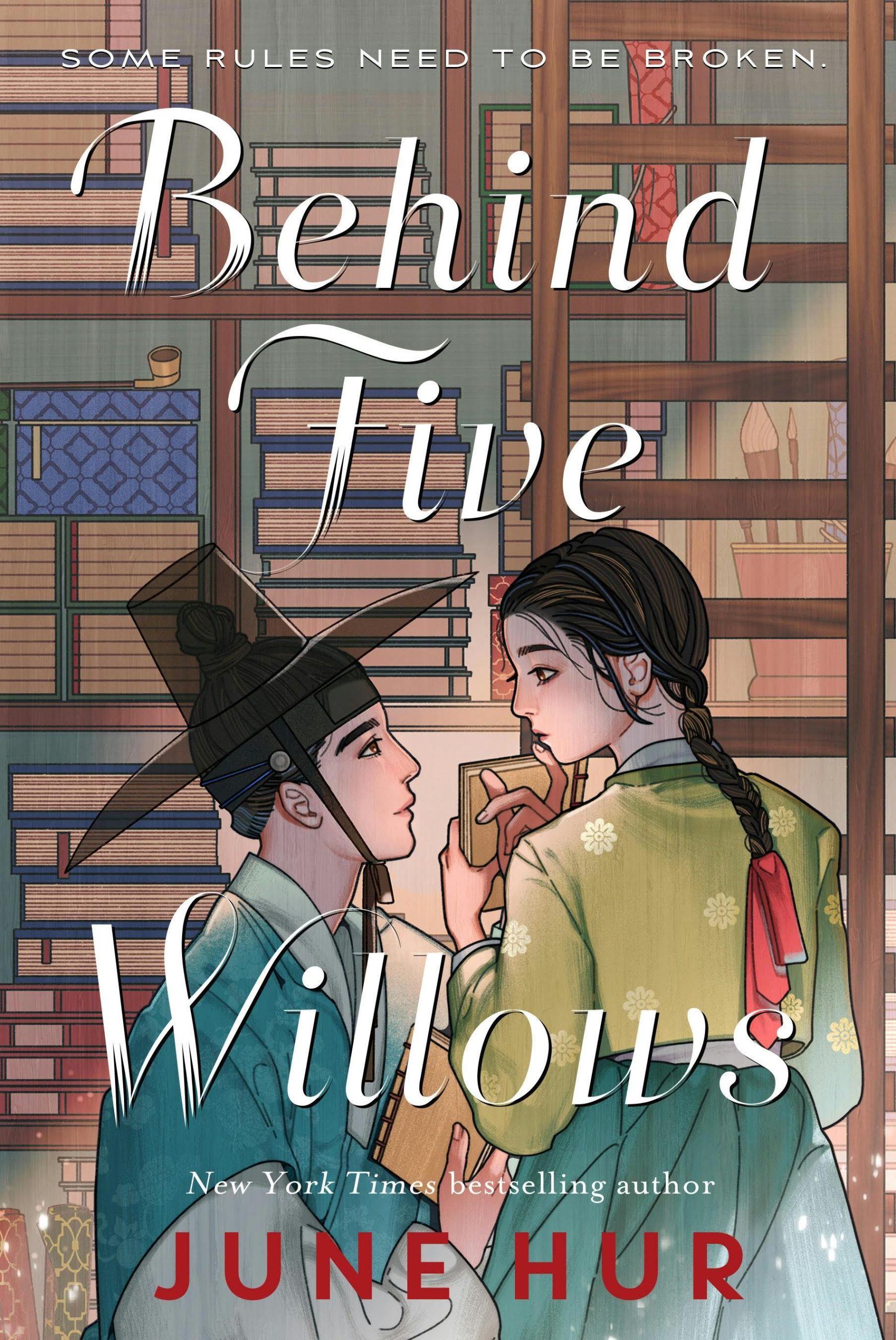
    Behind Five Willows
    In Joseon-era Korea, an illegal book transcriber and a secret novelist exchange letters without knowing they dislike each other in real life.

    My rating: 5 out of 5 stars

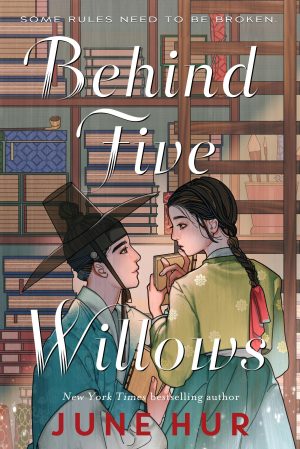
    Behind Five Willows is a historical young-adult romance set in Korea during the Joseon era. At its centre are Haewon, an illegal book transcriber, and Seojun, a nobleman who secretly writes fiction at a time when the government is banning books. Their lives become entangled when Haewon’s older sister falls in love with Seojun’s best friend, forcing Haewon and Seojun to accompany the couple during their courtship.

    Their first impressions of each other are not favourable. Haewon finds Seojun arrogant and irritating, while he is equally quick to judge her. What neither of them initially realises is that they already know another side of each other through the letters they have exchanged anonymously.

    That part immediately reminded me of You’ve Got Mail, one of my favourite films. In the film, the two main characters enjoy writing to each other without knowing that they are rivals—and that they dislike each other—in real life. I have always liked that contrast: two people can understand each other intimately through their words while completely misreading one another face to face.

    Of course, You’ve Got Mail is itself a variation on a much older romantic structure, and Behind Five Willows openly draws from Pride and Prejudice, another of my all-time favourites. Haewon and Seojun have their own version of Elizabeth Bennet and Mr Darcy’s problem: both are intelligent and observant, but neither is as accurate a judge of the other as they believe. Their relationship changes gradually as they see beyond social position, pride and their original assumptions.

    The Joseon setting prevents the novel from feeling like a simple retelling. Reading and writing are not merely shared interests for Haewon and Seojun. Because of government censorship, books can place their livelihoods and reputations at risk. Haewon’s work as a transcriber also gives us a glimpse of how stories were copied and circulated when access to them was restricted. The historical setting therefore shapes both the romance and the choices available to the characters.

    I also enjoyed the characters beyond the central couple. Their family obligations and differences in social status are not decorative complications; they influence what each person is permitted to do and how easily a mistake can affect an entire family. At the same time, the book does not become weighed down by its historical and political themes.

    One of its strongest qualities is that it is an easy read. The story moves smoothly, the romance develops naturally, and the historical details are incorporated without making the book feel like a lesson. It has enough substance to make the setting meaningful, but it remains warm and accessible.

    For me, Behind Five Willows combined several things I already love: the misunderstandings of Pride and Prejudice, the anonymous correspondence of You’ve Got Mail, and a historical setting that was much less familiar to me. The result felt recognisable without being repetitive.

    I gave it five stars because it was simply a pleasure to read.
  • The Red Palace by June Hur – Murder, Palace Intrigue and a Romance I Actually Liked

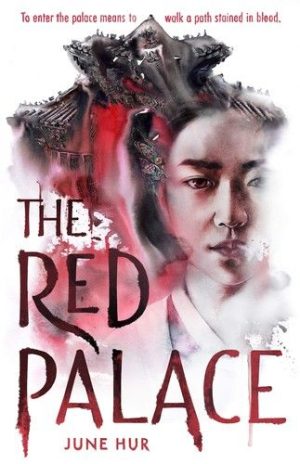
    The Red Palace by June Hur – Murder, Palace Intrigue and a Romance I Actually Liked

    After reading A Crane Among Wolves, I wanted more June Hur.

    One of the reasons I started reading her books in the first place was that I wanted historical fiction and romance outside the usual Regency and Victorian settings. I have read enough about drawing rooms, dukes and English society for a while. Give me somewhere else.

    Joseon Korea works particularly well for me because I have watched so many Korean historical dramas that I already have the whole visual world sitting inside my head.

    And The Red Palace gave me plenty to work with.

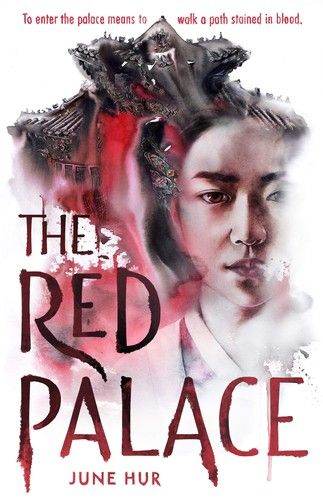
    Hyeon is a young palace nurse whose mentor becomes a suspect after four women are murdered in a single night. She begins investigating with Eojin, a young police inspector, and before long their investigation starts getting dangerously close to the royal family.

    The palace-nurse setting immediately gave me Dae Jang Geum vibes.

    The stories aren’t the same, obviously, but there was something very familiar about following a woman working within the palace, surrounded by court officials, strict hierarchies, medicine, rules and powerful people who could ruin your life without much effort.

    I could see everything.

    The palace corridors. The courtyards. The clothes. The officials. The nurses moving around the palace.

    At times it felt less like reading a book and more like watching another Joseon-era drama in my head.

    And then there was Eojin.

    I really liked Eojin.

    He and Hyeon work together on the investigation, so they have perfectly legitimate reasons to keep meeting, but gradually their relationship becomes something more. I liked the quiet courtship of it – those little meetings and gestures where it becomes increasingly obvious that this isn’t purely about solving murders anymore.

    The romance doesn’t overwhelm the mystery either, which is probably why it worked so well for me. I got the investigation and palace intrigue I wanted, but I also got enough romantic development to become invested in Hyeon and Eojin as a couple.

    And importantly, it actually goes somewhere.

    They choose each other, and the ending gave me the romantic payoff I wanted.

    Thank you. 😂

    I think that may be why The Red Palace left me more satisfied than A Crane Among Wolves. I enjoyed that book too, but this one felt more complete to me.

    The murder mystery kept things moving, the Joseon palace setting was exactly my kind of thing, Hyeon was easy to root for, and Eojin was the sort of romantic hero I actually enjoy.

    Historical murder mystery.

    Joseon palace intrigue.

    A competent inspector.

    Slow-burn courtship.

    And an ending that didn’t leave me asking, “That’s it?”

    Apparently that is how you get five stars from me.

    5/5

  • A Crane Among Wolves by June Hur – Like Watching a Joseon Drama in My Head

    A Crane Among Wolves by June Hur – Like Watching a Joseon Drama in My Head

    I picked up A Crane Among Wolves because I had reached the point where I wanted a historical romance that wasn’t set in Regency or Victorian England.

    I like those settings well enough, but there are only so many drawing rooms, dukes and marriage markets one can take before wanting to go somewhere else.

    I wanted something rooted in Asian history, written by an Asian author, and Korea was an easy choice because by then I had watched far too many Joseon-era Korean dramas.

    That turned out to be one of the best parts of reading this book.

    I didn’t have to work very hard to imagine the world at all.

    The palace, the clothing, the social hierarchy, the officials, the tension around the royal family – my brain already had an entire K-drama production department available. I could practically see the hanbok, hear the dramatic music and picture somebody staring meaningfully across a palace courtyard.

    Reading it sometimes felt less like reading a novel and more like watching a historical Korean drama playing inside my head.

    And considering the story involves a tyrannical king, political intrigue, danger, romance and an attempt to change who sits on the throne, it wasn’t exactly lacking in K-drama material.

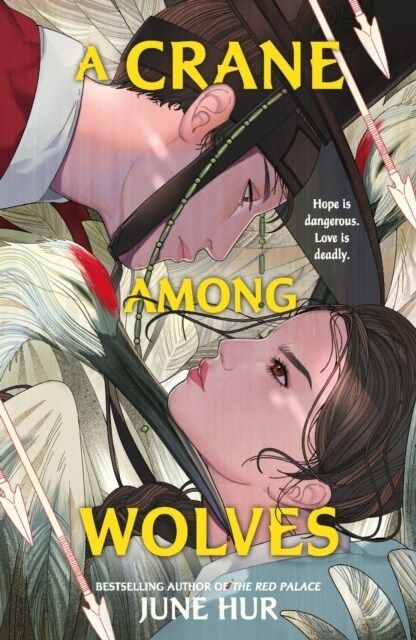
    I also liked that the romance wasn’t separated from the historical setting. Iseul and Daehyun’s relationship develops while much bigger and considerably more dangerous things are happening around them, so the book never became simply a romance dressed up in historical clothing.

    I gave A Crane Among Wolves four stars, and I think what kept it from five was the pacing.

    There were parts where the story started to drag a little for me. Not enough to make me lose interest, but enough that I could feel the momentum dip before things picked up again.

    That said, I still enjoyed the book overall, especially the setting and the way it played so vividly in my head like a Joseon-era Korean drama.

    The ending was satisfying enough that I don’t remember finishing it annoyed – which is probably why, looking back now, the pacing issue is the part that stands out more than anything else.

    It also sent me looking for more June Hur.

    And considering I later gave The Red Palace and Behind Five Willows five stars, that worked out rather well.

    4/5