Shari Creates

Books, languages, things I make and notes from everyday life.

Author: Shari

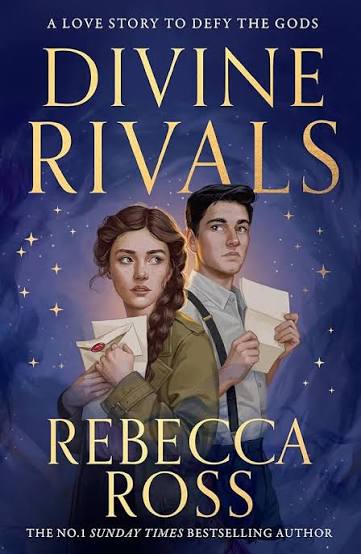
  • Divine Rivals by Rebecca Ross — It Had Everything I Usually Like

    Divine Rivals by Rebecca Ross — It Had Everything I Usually Like

    Spoiler warning: This review discusses major plot points and the ending.

    I picked up Divine Rivals for several very predictable reasons.

    First: enemies to lovers.

    Second: letters. Not just ordinary letters — anonymous ones, where Iris doesn’t realise the person answering her is someone she already knows. Give me even a hint of that You’ve Got Mail situation and I’m interested.

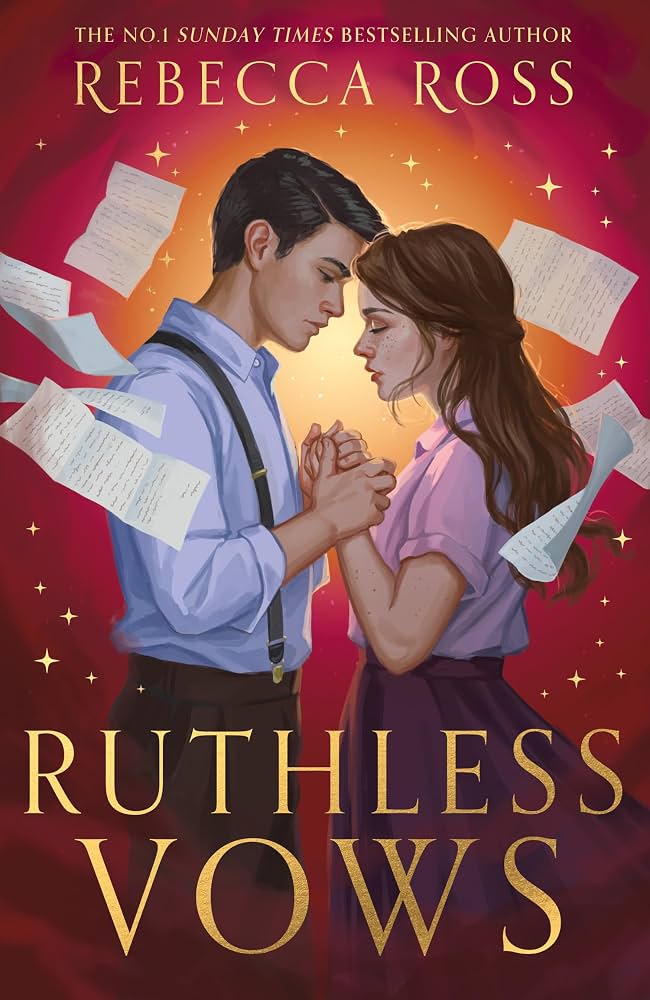
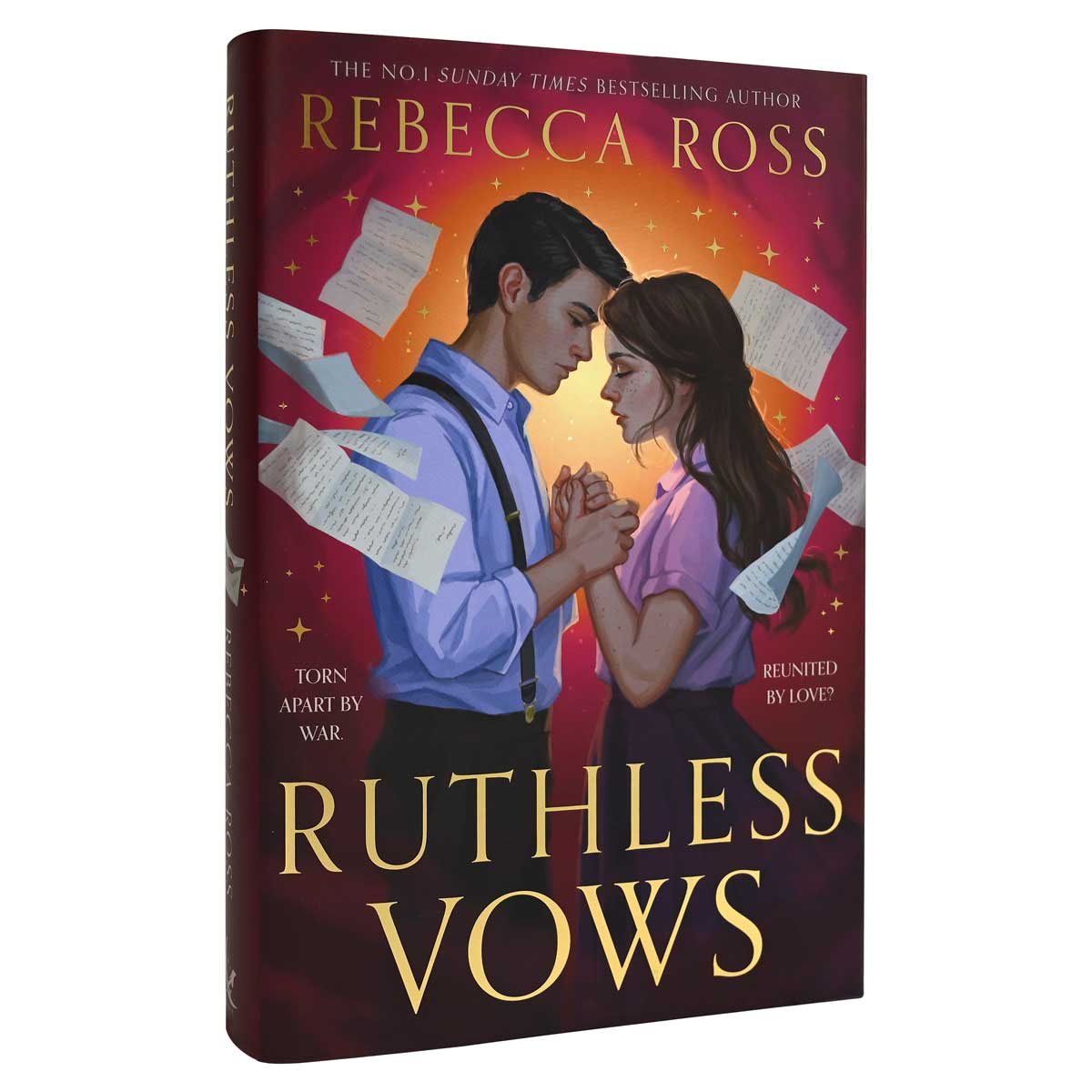
    Then there was the cover. Yes, I am one of those people who occasionally judges a book by its cover. I know. I know. I just can’t help it, and this one had exactly the pull that makes me pick a book up before I know anything about the story.

    So going in, this really should have been my kind of book.

    Iris Winnow and Roman Kitt are rival journalists competing for the same position. They don’t particularly like each other — while, at the same time, Iris has been writing letters that somehow find their way to a mysterious correspondent. She doesn’t know who’s answering her. Roman does.

    Naturally, I loved that setup. There’s something about two people getting to know each other through writing, while one of them doesn’t realise who’s on the other end, that works ridiculously well on me. Apparently Daddy-Long-Legs and You’ve Got Mail have permanently wired my brain this way.

    What worked less well was the enemies-to-lovers part. Mostly because there wasn’t enough enemy. 😂 I expected more friction — more of that I cannot stand this person, so why am I thinking about them all the time? stage. Instead, Iris and Roman felt more like competitive colleagues, and the hostility disappeared fairly quickly. Not necessarily bad — but when “enemies to lovers” is one of the reasons I picked up the book, I wanted it to make me wait a little longer before getting to the lovers.

    The world, though, I really liked. Rebecca Ross mixes old-fashioned technology and magic — newspapers, typewriters, trains, letters travelling magically between people — in a way that reminded me a little of Howl’s Moving Castle. Not because the stories are similar, but because of that same feeling: machinery and magic existing comfortably side by side, and nobody finding it strange.

    What interested me much less was the mythology behind the war — gods waking up, gods and demigods fighting, humans dragged into it. For whatever reason, none of that grabbed me. I cared about Iris and Roman, the letters, the newspaper rivalry, the atmosphere — not which god was fighting whom.

    And yet the war got to me anyway. Not because I suddenly cared about the gods, but because it became personal. Iris and Roman finally get together — they even get married — and almost immediately the war tears them apart again. There’s something particularly dreadful about stories set during war: even when nothing terrible is happening at that exact moment, you know it can. Someone leaves. Someone waits. Someone is trying to get back to somebody they love, and hanging over all of it is the possibility that they simply won’t. So when Iris was dragged away from Roman and forced to leave him behind, it genuinely tugged at me. I stopped thinking about whether I cared about the mythology and just wanted them to find each other again.

    Divine Rivals didn’t give me the enemies-to-lovers story I expected, and I still wasn’t interested in the gods. But I loved the anonymous letters, I liked Iris and Roman, I liked the slightly steampunk, slightly magical world — and by the end, I cared enough about the two of them for their separation to actually hurt.

    The book deserves a 4/5.

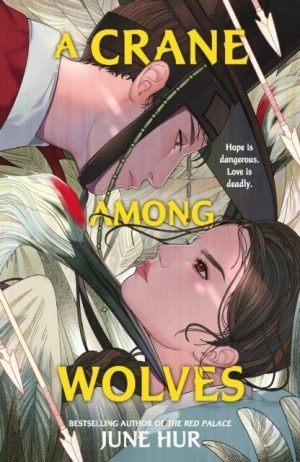
  • A Crane Among Wolves by June Hur – Like Watching a Joseon Drama in My Head

    A Crane Among Wolves by June Hur – Like Watching a Joseon Drama in My Head

    I picked up A Crane Among Wolves because I had reached the point where I wanted a historical romance that wasn’t set in Regency or Victorian England.

    I like those settings well enough, but there are only so many drawing rooms, dukes and marriage markets one can take before wanting to go somewhere else.

    I wanted something rooted in Asian history, written by an Asian author, and Korea was an easy choice because by then I had watched far too many Joseon-era Korean dramas.

    That turned out to be one of the best parts of reading this book.

    I didn’t have to work very hard to imagine the world at all.

    The palace, the clothing, the social hierarchy, the officials, the tension around the royal family – my brain already had an entire K-drama production department available. I could practically see the hanbok, hear the dramatic music and picture somebody staring meaningfully across a palace courtyard.

    Reading it sometimes felt less like reading a novel and more like watching a historical Korean drama playing inside my head.

    And considering the story involves a tyrannical king, political intrigue, danger, romance and an attempt to change who sits on the throne, it wasn’t exactly lacking in K-drama material.

    I also liked that the romance wasn’t separated from the historical setting. Iseul and Daehyun’s relationship develops while much bigger and considerably more dangerous things are happening around them, so the book never became simply a romance dressed up in historical clothing.

    I gave A Crane Among Wolves four stars, and I think what kept it from five was the pacing.

    There were parts where the story started to drag a little for me. Not enough to make me lose interest, but enough that I could feel the momentum dip before things picked up again.

    That said, I still enjoyed the book overall, especially the setting and the way it played so vividly in my head like a Joseon-era Korean drama.

    The ending was satisfying enough that I don’t remember finishing it annoyed – which is probably why, looking back now, the pacing issue is the part that stands out more than anything else.

    It also sent me looking for more June Hur.

    And considering I later gave The Red Palace and Behind Five Willows five stars, that worked out rather well.

    4/5

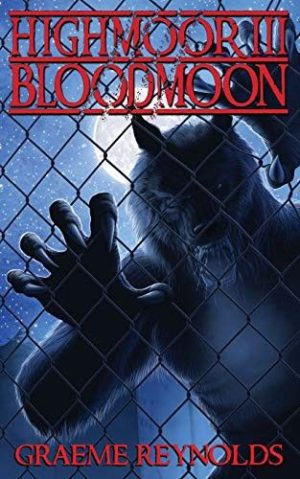
  • Blood Moon by Graeme Reynolds – No One Gets Out Clean

    Blood Moon by Graeme Reynolds – No One Gets Out Clean

    By the time I reached Blood Moon, I had pretty much moved into High Moor.

    I finished Moonstruck on the 12th of August and Blood Moon on the 13th. Considering this audiobook is not exactly short, I think it’s fair to say I was invested.

    The third book takes everything that had been building in the first two and removes what little restraint was left. The existence of werewolves is becoming increasingly difficult to contain, humans are preparing to deal with the threat in the way humans generally deal with things they are frightened of – with weapons – and the werewolves are hardly presenting a united front themselves.

    So, naturally, everything goes extremely well.

    It doesn’t.

    What started in High Moor as a relatively contained horror story about a small town and a terrible secret has become something much larger by this point. There are factions, old grudges, competing loyalties and the very real possibility of a conflict that neither side can control.

    And there is a lot of blood.

    A LOT.

    This is where I think the trilogy fully commits to what it has always been. Graeme Reynolds never suddenly decides that his werewolves need to become softer or more appealing because we’ve spent three books with them. They remain dangerous creatures capable of doing horrific things, including to people they care about.

    I appreciated that.

    There is also something satisfying about reaching the third book of a horror series and feeling that the stakes genuinely have increased. Blood Moon doesn’t feel like Reynolds simply found another excuse to send a few werewolves running around the countryside. The consequences from the previous books have accumulated, and now everyone has to live – or perhaps more accurately, try to survive – with them.

    Chris Barnes narrates again, and by this stage I couldn’t imagine the series without him. His Scottish accent had already become part of the atmosphere for me in the first two books. Three audiobooks later, his voice simply was High Moor.

    And considering I apparently listened to this one almost immediately after finishing Moonstruck, there really wasn’t much opportunity for that atmosphere to wear off.

    Was it perfect? No. I still landed at four stars. The story gets quite big compared with where the trilogy began, and there were parts that worked better for me than others.

    But it gave me what I wanted from the conclusion.

    Violent werewolves. Actual consequences. Characters I had become invested in being placed in increasingly horrible situations. And an ending that felt like the culmination of the story rather than an excuse to keep the series going forever.

    Three books.

    Three four-star ratings.

    And not one supernatural boyfriend in sight.

    I’d call that a successful werewolf trilogy.

    4/5

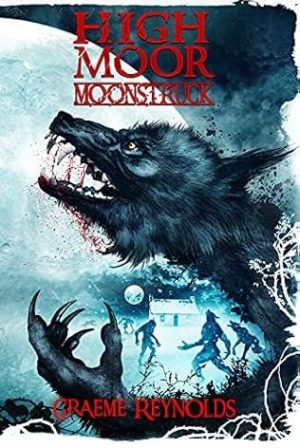
  • Moonstruck by Graeme Reynolds – High Moor Gets Even Nastier

    Moonstruck by Graeme Reynolds – High Moor Gets Even Nastier

    I didn’t leave much breathing room between High Moor and Moonstruck. Five days after finishing the first book, I had already finished the second.

    That probably tells you most of what you need to know.

    Moonstruck picks up almost immediately after the events of High Moor. John Simpson is in police custody, the town is trying to make sense of what has happened, and the authorities are faced with the rather inconvenient possibility that the man claiming to be a werewolf might actually be telling the truth.

    I liked that Reynolds didn’t use the sequel as an excuse to reset everything. The consequences of the first book are still very much there, but the world around High Moor starts to become bigger. It isn’t simply a case of another full moon and another monster turning up. We begin to discover that there are other people who know werewolves exist – and they have their own reasons for making sure the rest of the world doesn’t find out.

    That gave the story a different feel while keeping everything I enjoyed about the first one.

    And yes, the werewolves are still horrible.

    If anything, Reynolds seems even less interested this time around in protecting his characters. The violence is brutal and occasionally excessive, but this is exactly the sort of werewolf fiction I was looking for when I started the series. Becoming a werewolf isn’t sexy or desirable. Nobody is standing around admiring anyone’s supernatural abs. These creatures rip people apart.

    Thank you.

    I listened to the audiobook again, with Chris Barnes returning as narrator. By this point his Scottish accent had become part of the High Moor experience for me. There is something about the combination of that voice, the British setting and the sheer nastiness of the story that works extremely well in audio. It gave me the same sense of immersion that I enjoyed in the first book.

    What I appreciated most about Moonstruck, though, was that it actually felt like a continuation rather than simply “High Moor again.” The mythology expands, the situation becomes more complicated, and the story starts suggesting that what happened in this little town is part of something much larger.

    I still gave it four stars rather than five. There were moments where the story dragged a little and I don’t think every part worked equally well. But when it moved, it moved – and I was invested enough that I finished the whole thing in a day.

    Then, naturally, I started Blood Moon.

    If High Moor convinced me this was the kind of werewolf series I’d been looking for, Moonstruck convinced me to finish it.

    4/5

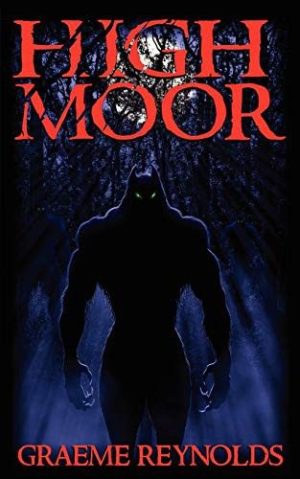
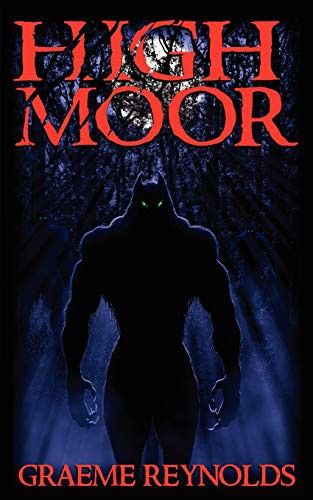
  • High Moor by Graeme Reynolds – Werewolves That Are Actually Scary

    High Moor by Graeme Reynolds – Werewolves That Are Actually Scary

    I have a fairly simple requirement when I pick up a werewolf book: I want the werewolves to actually be monsters.

    Not brooding supernatural boyfriends. Not an excuse for a romance involving mates, destiny and somebody growling possessively every three pages. I want claws, teeth, bad decisions and people having a genuinely terrible time when the moon comes out.

    High Moor delivered that.

    This is proper werewolf horror. It is violent, sometimes gruesome, and doesn’t try to make its creatures attractive. There is something much more unsettling about a werewolf story when becoming one feels like a curse rather than an upgrade.

    What I particularly liked was the atmosphere. There is a roughness to the story that suited it. It isn’t elegant gothic horror with beautiful monsters wandering around dramatically in the moonlight. These things are dangerous, and when the violence starts, Reynolds doesn’t make it pretty.

    I listened to the audiobook, narrated by Chris Barnes, and his Scottish accent added enormously to the experience for me. It gave the narration the kind of rough, distinctly British character that the story needed and provided the immersion I was looking for. This was one of those cases where the narrator didn’t simply read the book – his voice became part of how I remember it.

    I tore through it remarkably quickly. There were a few places where I thought the story could have been tighter, which is probably what kept it at four stars rather than five for me, but I was never bored.

    And perhaps the clearest indication that it worked: almost immediately afterwards I started Moonstruck, the second book.

    For anyone looking for a werewolf novel that belongs firmly on the horror shelf rather than the paranormal-romance shelf, High Moor is very much worth a look.

    4/5

  • Ai generated lessons for learning mandarin.

    I am rather new to Ai. But hey, it’s better late than never. 🙂 I’ve been studying Mandarin Chinese a while now, so I thought why not integrate my learning a language with Ai. And I want to share with you how I used AI to create stories for learning Mandarin.

    As you may know, Mandarin Chinese is a very challenging language to learn, especially for English speakers. It has a different writing system, a different pronunciation system, and a different grammar system. Plus, there are so many words and expressions to learn, and so many cultural nuances to understand.

    That’s why I decided to use stories as a way to learn Mandarin. Stories are a great way to immerse yourself in the language and culture, and to learn new vocabulary and grammar in context. Stories can also make learning more fun and engaging, as you can follow the plot and the characters, and use your imagination and creativity.

    There are a few sites that I used for reading mandarin, however what started out of curiosity, it has become a way I used more and more since it is fun.

    AI, or artificial intelligence, is the technology that enables machines to perform tasks that normally require human intelligence, such as understanding language, generating text, and creating images.

    I found some amazing AI tools that helped me learn Mandarin through stories in several ways. Here are some examples of how I used AI tools to enhance my Mandarin learning experience:

    • AI story generator: I used an AI story generator to create stories based on my input. For example, I typed in a topic, a genre, a character, or a plot, and the AI generated a story for me. I then read the story and learned new words and sentences. I also used the AI story generator to practice my writing skills by continuing the story or rewriting it in my own words. Some AI story generators that I tried are Squib, [StoryAI], and [Storyteller].
    • AI story translator: I used an AI story translator to translate stories from English to Mandarin, or vice versa. For example, I found a story in English that I liked, and I used the AI story translator to translate it into Mandarin. I then compared the original and the translation, and learned how to express the same idea in different ways. I also used the AI story translator to check my own writing, and to correct any errors or improve any expressions. Some AI story translators that I used are [DeepL], [Google Translate], and [Microsoft Translator].
    • AI story illustrator: I used an AI story illustrator to create images based on my stories. For example, I wrote a story in Mandarin, and I used the AI story illustrator to generate an illustration for it. I then looked at the image and learned how to describe it in Mandarin. I also used the AI story illustrator to inspire me to write new stories, based on the images that the AI created. Some AI story illustrators that I experimented with are [Artbreeder], [VQGAN+CLIP], and [DALL-E].

    Using AI to create stories for learning Mandarin was a very rewarding and enjoyable experience for me. I felt that I improved my reading, writing, speaking, and listening skills, as well as my vocabulary, grammar, and cultural knowledge. I also had a lot of fun and creativity, as I explored different topics, genres, characters, and plots.

    Of course, AI is not perfect, and sometimes it made mistakes or generated nonsensical or inappropriate content. That’s why I always checked the AI output with other sources, such as dictionaries, grammar books, or native speakers. I also used other resources, such as apps, podcasts, videos, and books, to complement my learning.

    But overall, I think AI is a very powerful and useful tool for learning Mandarin through stories, and I highly recommend it to anyone who wants to learn Mandarin in a fun and effective way. If you are interested in trying it out, you can check out the links that I provided above, or search for other AI tools that suit your needs and preferences.

    I hope you enjoyed reading my blog post, and I hope you learned something new. If you have any questions or comments, please feel free to leave them below. Thank you for reading, and happy learning! 😊

    Here’s an example of a story generated with Ai.😊

    今天是星期天,李家一家人都在家里。李爸爸想做饭给大家吃,但是他不太会做饭。他去超市买了一些菜,但是他忘了买盐。他回家后,就开始做饭。他做了一盘鱼,一碗汤,和一些青菜。他把饭菜放在桌子上,叫大家来吃饭。李妈妈,李哥哥,和李妹妹都坐下来,拿起筷子,准备吃饭。他们先吃了一口鱼,然后都皱起了眉头。原来,李爸爸没有放盐,鱼很淡。他们又喝了一口汤,然后都吐了出来。原来,李爸爸放了太多的糖,汤很甜。他们再看了看青菜,发现青菜都是黑的。原来,李爸爸炒菜的时候,火太大,把青菜都烧焦了。李家一家人都不想吃饭了,只好去外面吃。李爸爸很尴尬,也很难过,他以为自己做的饭很好吃,没想到大家都不喜欢。他决定以后还是不要做饭了,让李妈妈做饭,或者去饭馆吃饭。

    The story has 50 words. Here are 10 HSK 3 vocabulary words from the story, with their English translations:

    做饭 (zuò fàn): to cook

    超市 (chāo shì): supermarket

    盐 (yán): salt

    鱼 (yú): fish

    汤 (tāng): soup

    糖 (táng): sugar

    青菜 (qīng cài): green vegetables

    炒 (chǎo): to stir-fry

    烧焦 (shāo jiāo): to burn

    饭馆 (fàn guǎn): restaurant

    Here are 5 comprehension questions about the story, with their answers:

    Q: 今天是星期几?(What day is it today?)

    A: 今天是星期天。(Today is Sunday.)

    Q: 李爸爸为什么想做饭?(Why does Li’s father want to cook?)

    A: 李爸爸想做饭给大家吃。(Li’s father wants to cook for everyone.)

    Q: 李爸爸做了什么饭菜?(What dishes did Li’s father make?)

    A: 李爸爸做了一盘鱼,一碗汤,和一些青菜。(Li’s father made a plate of fish, a bowl of soup, and some green vegetables.)

    Q: 李家一家人为什么不喜欢李爸爸做的饭?(Why does Li’s family not like Li’s father’s cooking?)

    A: 因为鱼很淡,汤很甜,青菜都烧焦了。(Because the fish is bland, the soup is sweet, and the vegetables are burnt.)

    Q: 李家一家人最后去哪里吃饭?(Where does Li’s family go to eat in the end?)

    A: 李家一家人最后去外面吃,或者去饭馆吃。(Li’s family goes out to eat, or goes to a restaurant.)

  • Tell yourself a better lie

    Tell yourself a better lie

    Tell yourself a better lie cover

    Categories: ,
    Author:
    Genre:
    Tell Yourself a Better Lie is a book that teaches you how to change the bad and limiting stories you tell yourself, and make them good and empowering instead. The book is based on ten real stories of people who did RTT sessions with Marisa, and how they changed their lives by changing their stories.

    I discovered Marisa Peer from a mindvalley video on youtube, where she explained how to heal your body and mind. I was intrigued by her approach and decided to check out her book if she had any and found  “Tell Yourself a Better Lie”. I searched for her work on Everand and was grateful to have found the audiobook. The audiobook was narrated by Carlyss Peer, who is Marisa’s daughter and a trained RTT therapist herself. I enjoyed listening to her voice, as she has a beautiful, crisp, and clear British accent. I find it rather soothing.

    Tell Yourself a Better Lie is a book that teaches you how to change the bad and limiting stories you tell yourself, and make them good and empowering instead. The book is based on ten real stories of people who did RTT sessions with Marisa, and how they changed their lives by changing their stories. The book also has audio guides for each story, which you can listen to online.

    The book has three parts: The first part tells you what RTT is and how it works better than other kinds of therapy. The second part shows you the ten stories, each one about a different problem, like depression, eating disorders, weight loss, fears, and addictions. The third part gives you the main lessons and tips from the book, and some exercises you can do to use RTT in your own life.

    The book was really interesting as she used lots of examples through real stories of patients who had successfully overcame their traumas. Though the stories and people were different but somehow it felt a bit repetitive. However, Marisa seems to be very sympathetic, kind and supportive, and she also shares her thoughts and experience. I feel that the book is not only informative, but also inspiring and motivating. It shows you how you can change your life by changing the way you tell the story to yourself (hence telling yourself a better lie), and how RTT can help you do that quickly and effectively.

    The book is good for anyone who wants to feel better about themselves, more confident, happier, and healthier. It is also useful for therapists, coaches, and anyone who wants to learn more about RTT and its benefits. I would give this book 4 out of 5 stars, and I would suggest it to anyone who wants to tell themselves a better lie.

  • Navigating mandarin with Preply – A year in review

    Alright, so around July 2022, I decided to switch things up in my Mandarin learning routine and gave Preply a shot – the online tutoring gig. After flying solo in the world of Chinese characters for years, I figured it was time to bring in a real pro to help me out. Fast forward a year, and here’s the lowdown on how Preply’s been my wingman, helping me tackle HSK 3 and prepping for HSK 4 in the year ahead.

    Why Preply? Well, firstly, it won me over with its budget-friendly prices. Learning Mandarin on a dime? Preply’s got your back. The cost factor made it a logical choice for me to link up with a native-speaking tutor without draining the wallet.

    So, every weekend, I’ve been hanging out with my tutor for about an hour per session. The pocket-friendly nature of Preply allowed me to stick to this routine, making my Mandarin learning journey feel like a walk in the park. My tutor, the Mandarin maestro, has been guiding me through the language labyrinth, giving me structured lessons and, most importantly, helping me get the hang of conversations.

    Oh, and did I mention I aced HSK 3 with my tutor? Yep, no official exams yet, but the mock exams were smooth sailing. Looking ahead, I’ve got my eyes on HSK 4 like it’s the next challenge. This time I’m going for the real exam, the one in July.

    And let’s talk about the practical side – talking! Preply isn’t just about lessons; it’s about real-life convos. Even if, with my tutor, I’m just reading from the lessons, but there are always opportunity to have simple conversations. It’s a much needed language workout – flex those speaking muscles, you know?

    In a nutshell, Preply’s tutor has been the reliable guide I needed in this Mandarin journey. From HSK 3 wins to gearing up for HSK 4, it’s been a journey. Props to my tutor and the reasonable pricing – you guys are the real MVPs. Looking forward to what the next year brings!

  • Uncovering a Mandarin Learning Gem: MandarinBean

    Embarking on a journey to learn Mandarin can be both thrilling and daunting, especially when faced with the myriad of resources available. Having relied on DuChinese for the past year, the recent price hikes left me in search of a more budget-friendly alternative that still delivered quality content. Enter MandarinBean—a hidden gem that has not only exceeded my expectations but has become an integral part of my Mandarin learning journey.

    Graded Reading Lessons: A Breath of Fresh Air

    One of MandarinBean’s standout features is its extensive collection of graded reading lessons spanning from HSK 1 to 6. Each lesson is meticulously crafted to cater to learners of varying proficiency levels. What sets MandarinBean apart is its engaging approach to teaching. The lessons, presented in a blog format, are not only informative but also intriguing, making the learning process enjoyable. It encourages interaction, allowing learners to comment and engage with each lesson, fostering a sense of community among Mandarin enthusiasts.

    The inclusion of both traditional and simplified versions of Hanzi, along with toggleable pinyin, provides a comprehensive learning experience. Whether you’re a beginner navigating the basics or an advanced learner seeking a challenge, MandarinBean’s graded reading lessons offer something for everyone.

    Grammar Points with Exercises: A Practical Approach

    Mandarin grammar can be a maze for learners, and MandarinBean excels at simplifying complex concepts. The platform seamlessly integrates grammar points with interactive exercises, allowing users to reinforce their understanding through practical application. This hands-on approach sets MandarinBean apart, transforming grammar from a tedious task into an accessible and manageable aspect of the learning journey.

    Test Preparations: Elevating Your Proficiency

    For those aiming to test their Mandarin proficiency, MandarinBean offers an array of test preparation materials. From HSK exam preparations to custom quizzes, the platform ensures learners are well-equipped to tackle assessments with confidence. The inclusion of detailed explanations and insights enhances the overall learning experience, making test preparations less intimidating.

    The Free Package: Quality Without the Price Tag

    One of the most appealing aspects of MandarinBean is its commitment to providing quality content for free. Graded reading lessons, grammar points, exercises, and test preparations are all accessible without spending a dime. Well, with a bit of limitation of course.

    Premium Perks: A Worthwhile Investment

    While MandarinBean’s free offerings are substantial, opting for the premium upgrade proves to be a worthy investment. The nominal cost opens up additional features, such as the ability to save progress and gain exclusive access to test preparation materials. For the serious Mandarin learner, the premium subscription provides a seamless and personalized learning experience.

    Compared to Duchinese, the price is way reasonable.

    Price as of Dec 2023

    Final Thoughts

    In the realm of Mandarin learning resources, MandarinBean stands out as an affordable alternative to pricier options like DuChinese. Its combination of engaging graded reading lessons, practical grammar exercises, and comprehensive test preparations make it a one-stop-shop for Mandarin enthusiasts. Whether you’re a novice or a seasoned learner, MandarinBean’s user-friendly interface and quality content make it a valuable addition to any language learning arsenal.

    The only thing that I could wish for is that Mandarinbean to have it’s own app. The site is of course accessible from my phone but the format isn’t as attractive as Duchinese reading app, which is a bummer. But not a deal breaker.

    So, if you’re ready to elevate your Mandarin learning experience without breaking the bank, give MandarinBean a try. Your journey to mastering Mandarin just got a whole lot more interesting.

  • Is it worth it? Everand,Scribd & Slide share – Unveiling the Ultimate audiobooks,ebooks, documents and presentation haven.

    Since June, I’ve been on a digital journey with Everand, Scribd, and Slideshare. These platforms have become my go-to for everything from reading to sharing docs and jazzing up presentations. Let me share why this trio is my internet happy place.

    Everand is my not-so-secret weapon for diving into ebooks and audiobooks without burning a hole in my pocket. From classics to the latest releases, my Everand subscription, at just $9.99 a month, gives me access to a world of stories without breaking the bank

    Scribd, the sibling of Everand, is like the chill spot for documents. It’s not just official papers; it’s where the community shares all kinds of reads. Scribd keeps it down-to-earth, making the document-sharing scene feel like a laid-back hangout.

    Slideshare, the funky cousin in this trio, is all about presentations and visuals. Whether you’re a student, a pro, or just into pretty slides, Slideshare is the visual party that’s part of the gang. And hey, it’s all bundled up under the same subscription.

    Let’s talk subscription smarts. Everand, Scribd, and Slideshare are all under one subscription, and at $9.99 a month, it’s like having a backstage pass to the whole show. Now, here’s the cool part—I’ve decided to switch to a yearly plan at $84.99 next billing cycle. Why? On top of having unlimited ebooks and audiobooks, that’s a saving of $34.89 a year. Simple as that.

    Oh, before you go, here’s a little gift for you! Dive into Everand, Scribd, and Slideshare with a 60-day free trial. Just click here to unlock the doors to this digital wonderland

    Everand, Scribd, and Slideshare aren’t just websites; they’re like my digital hangouts, each bringing its own vibe. Whether I’m lost in a book, sharing docs with pals, or jazzing up my presentations, this trio’s got my back. Here’s to more digital adventures and discovering the wonders of this content-packed crew! 🚀✨